01

Model Predictive Control

Model Predictive Control is the core methodology in my work. I use predictive optimization to design feedback laws that explicitly account for constraints, uncertainty, safety, robustness, and performance. This makes MPC a natural framework for autonomy, where controllers must plan ahead while reacting to changing conditions.

I am interested in constrained control, predictive safety filters, robust MPC, tube MPC, multi-trajectory MPC, and the safety/performance tradeoffs that appear when theoretical guarantees meet real-time implementation.
Constrained control Predictive safety filters Robust MPC Tube MPC Multi-trajectory MPC
Figure placeholder for predictive optimization and constraints
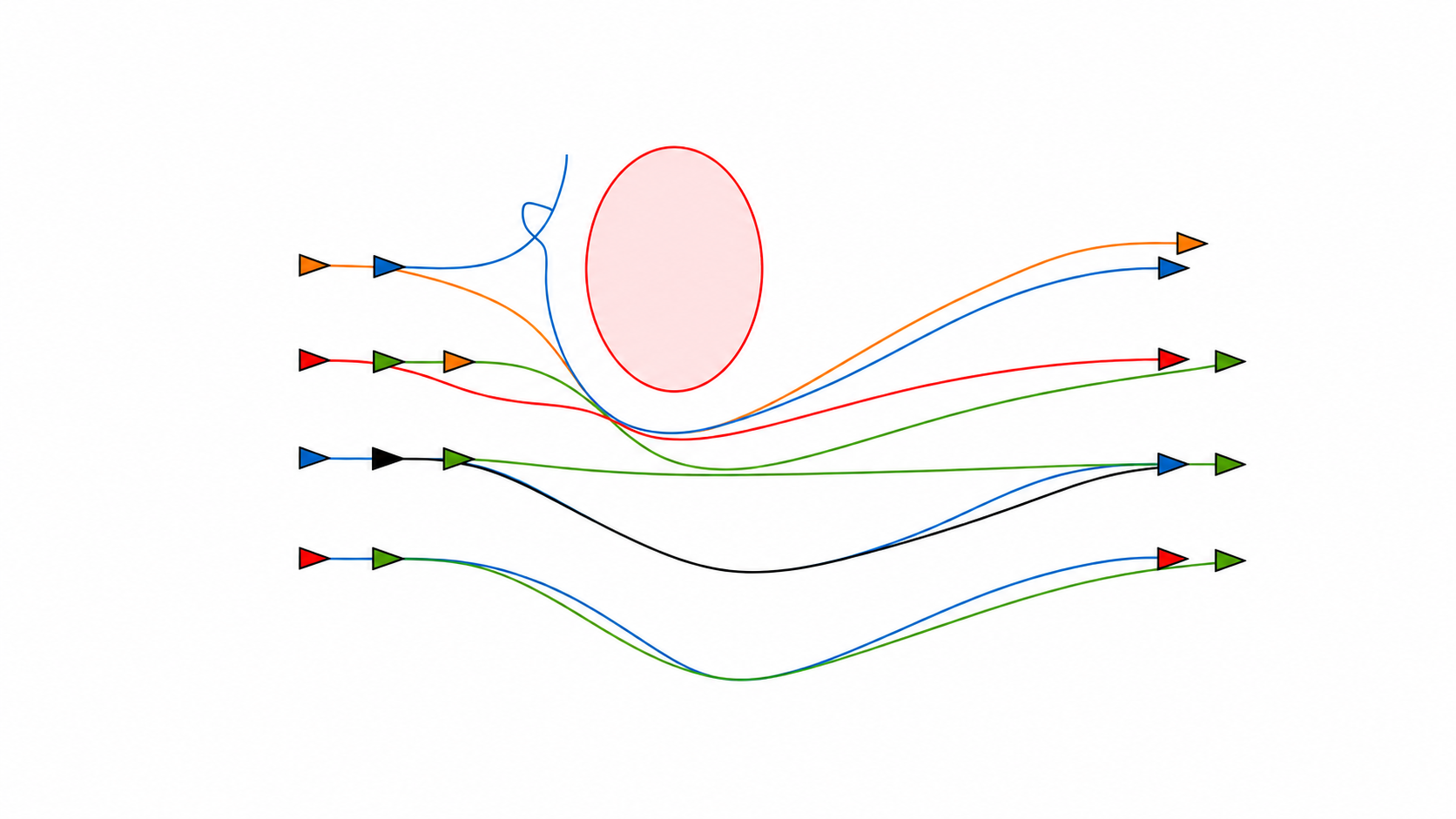
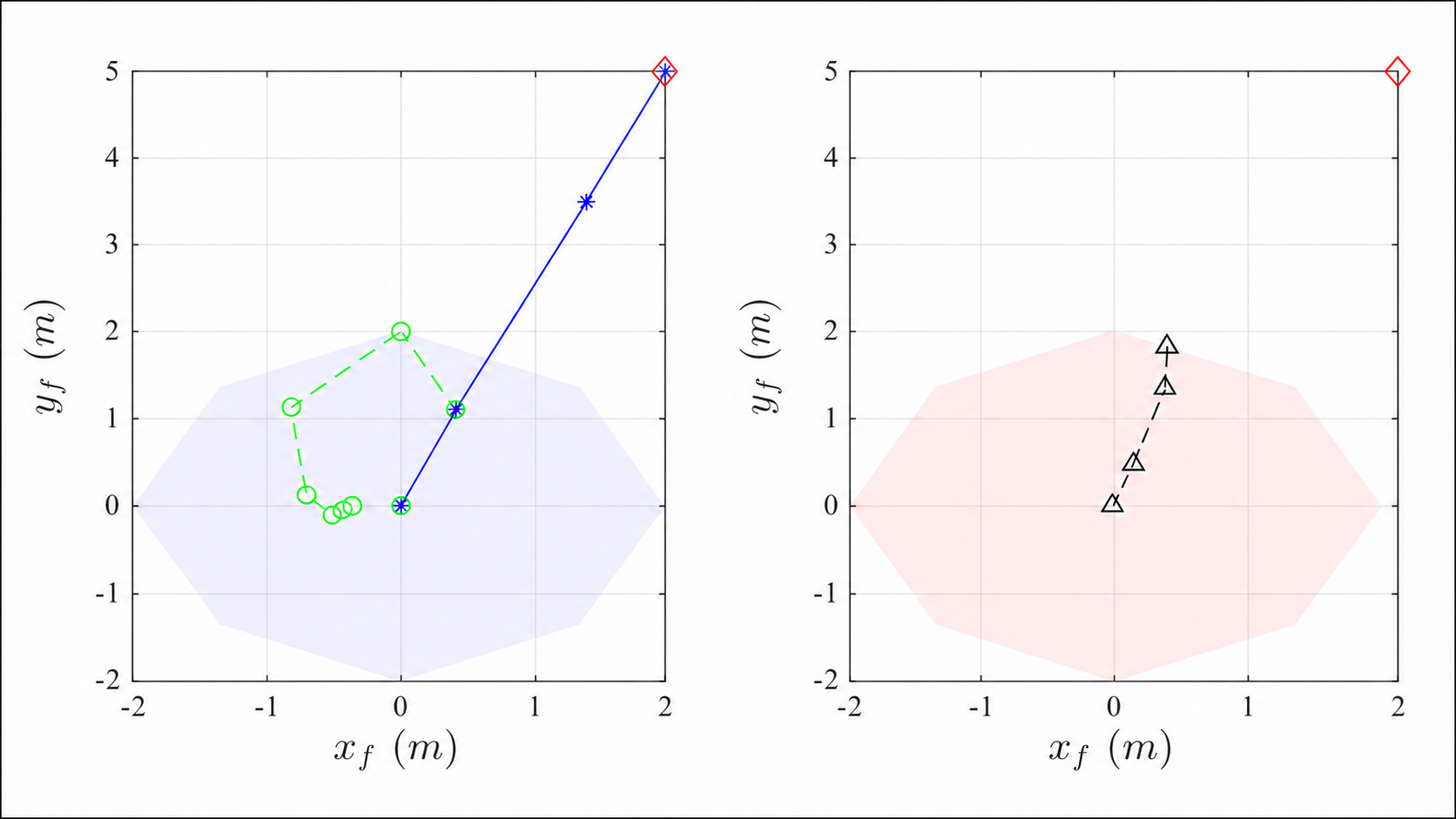
Idea of the multi-trajectory MPC approach
Figure placeholder for predictive safety filters
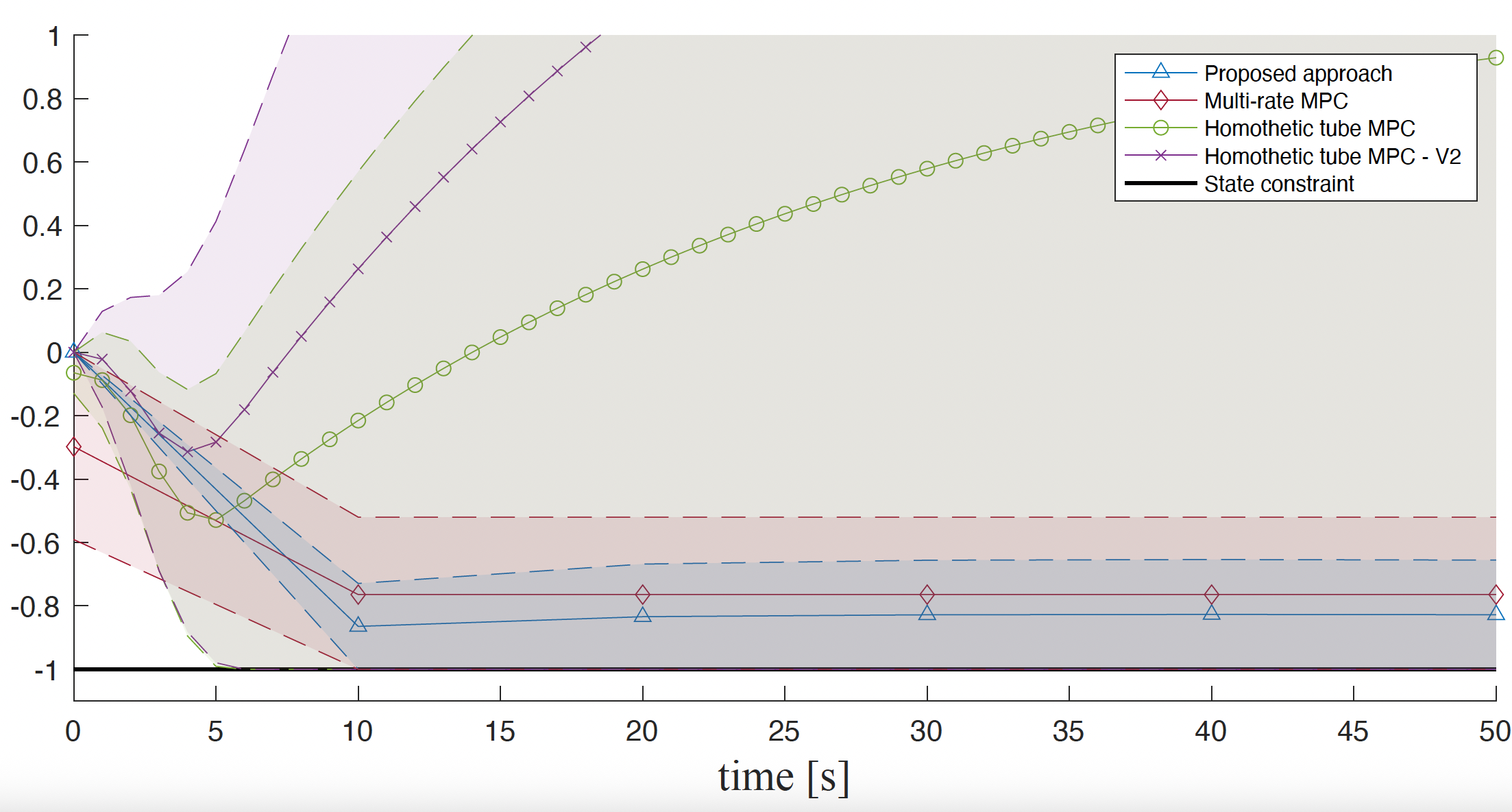
Comparison of the open-loop solution of different predicted tubes
Figure placeholder for robust and tube MPC
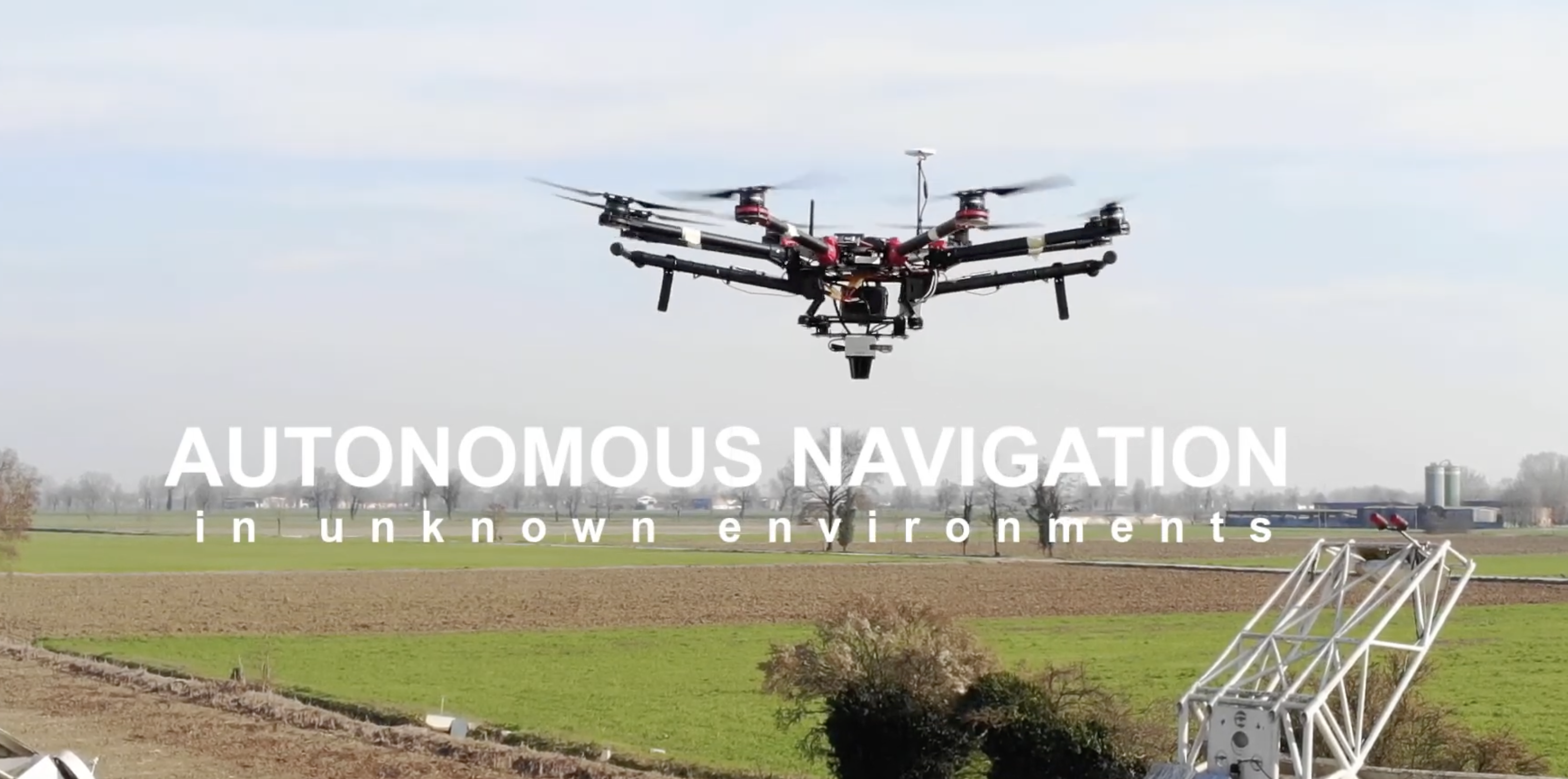
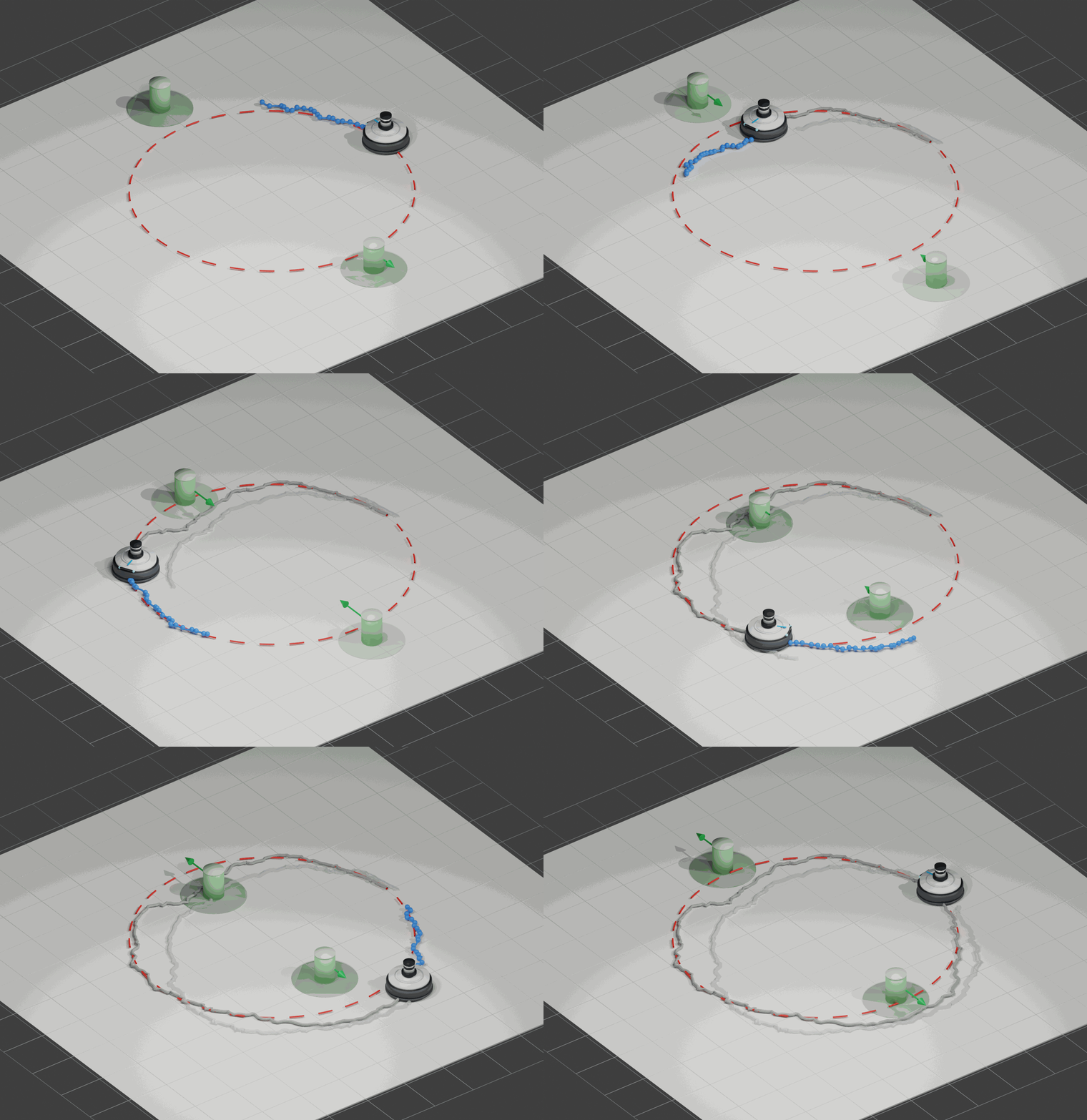
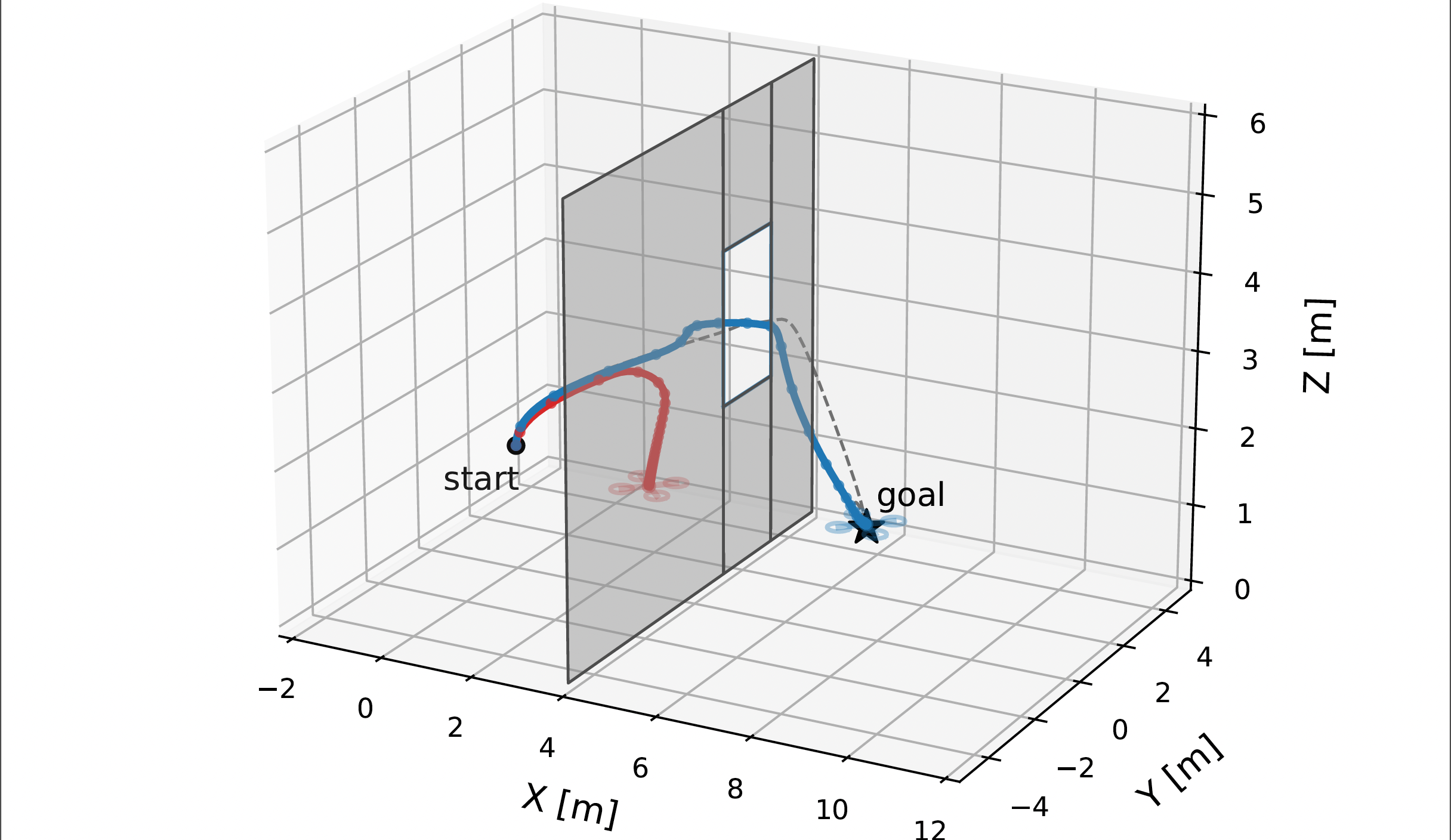
UAVs navigation in unknown cluttered environments
Related publications
02

Distributed MPC and multi-agent systems

Many autonomous systems operate as teams: vehicles, robots, and networked devices must coordinate decisions while using limited local information. My work on distributed MPC studies how agents can plan cooperatively while preserving collision avoidance, connectivity constraints, and stability under limited communication.

Topics include plug-and-play operation, time-varying communication graphs, decentralized contracts, and control architectures that remain meaningful when the network itself changes over time.

Multi-agent systems Collision avoidance Connectivity Plug-and-play Distributed contracts
Figure placeholder for time-varying communication graphs
Connectivity maintenance with SQP/ADMM
Figure placeholder for multi-agent predictive control
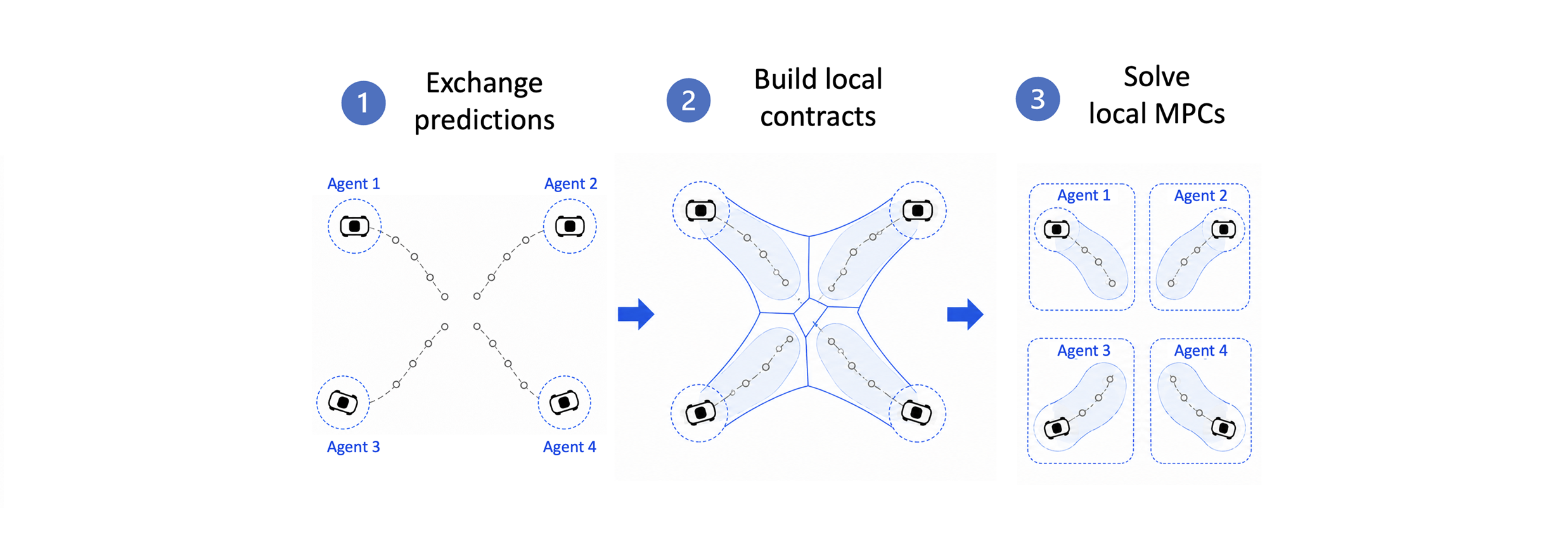
Contracts for distributed MPC
Figure placeholder for decentralized contracts
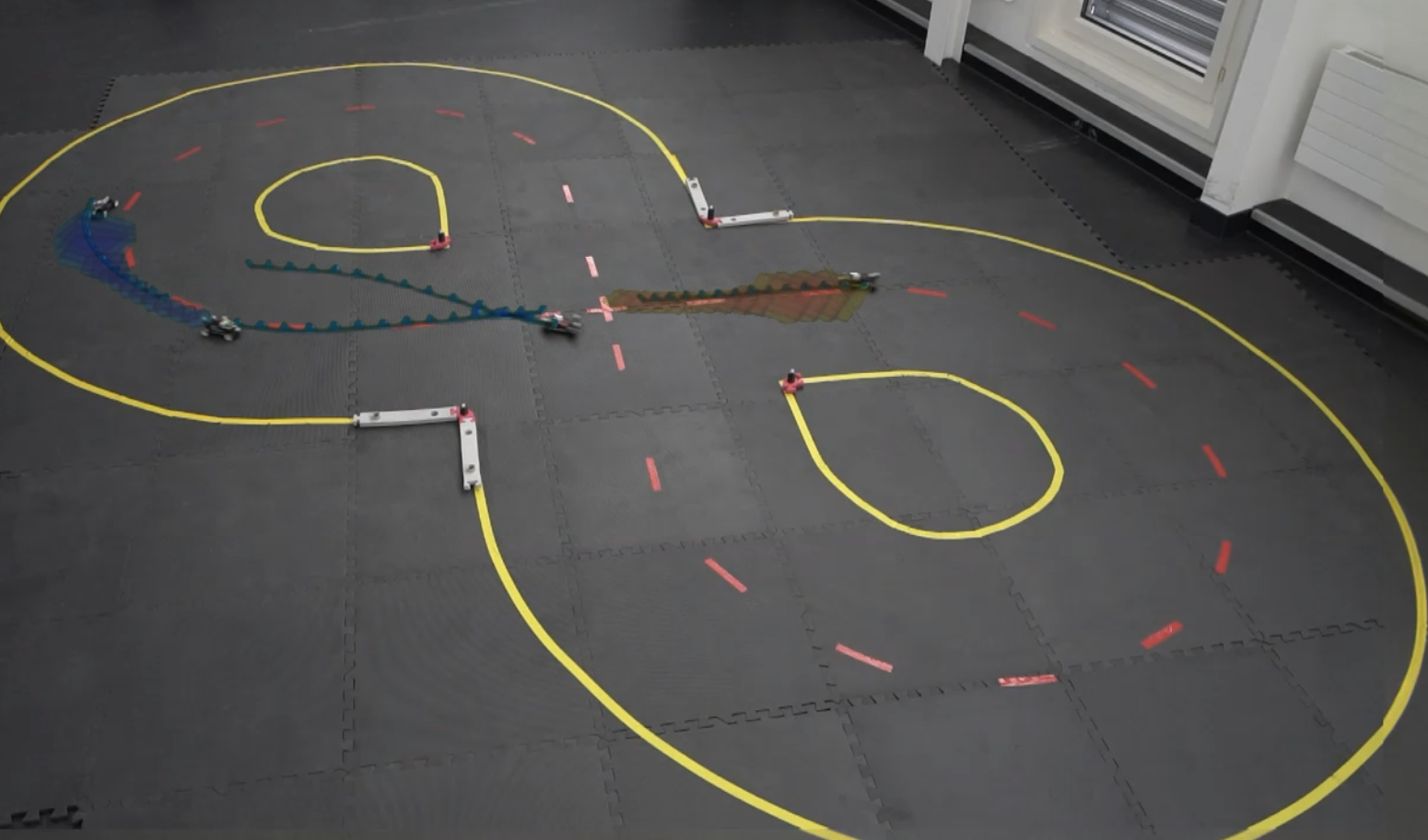
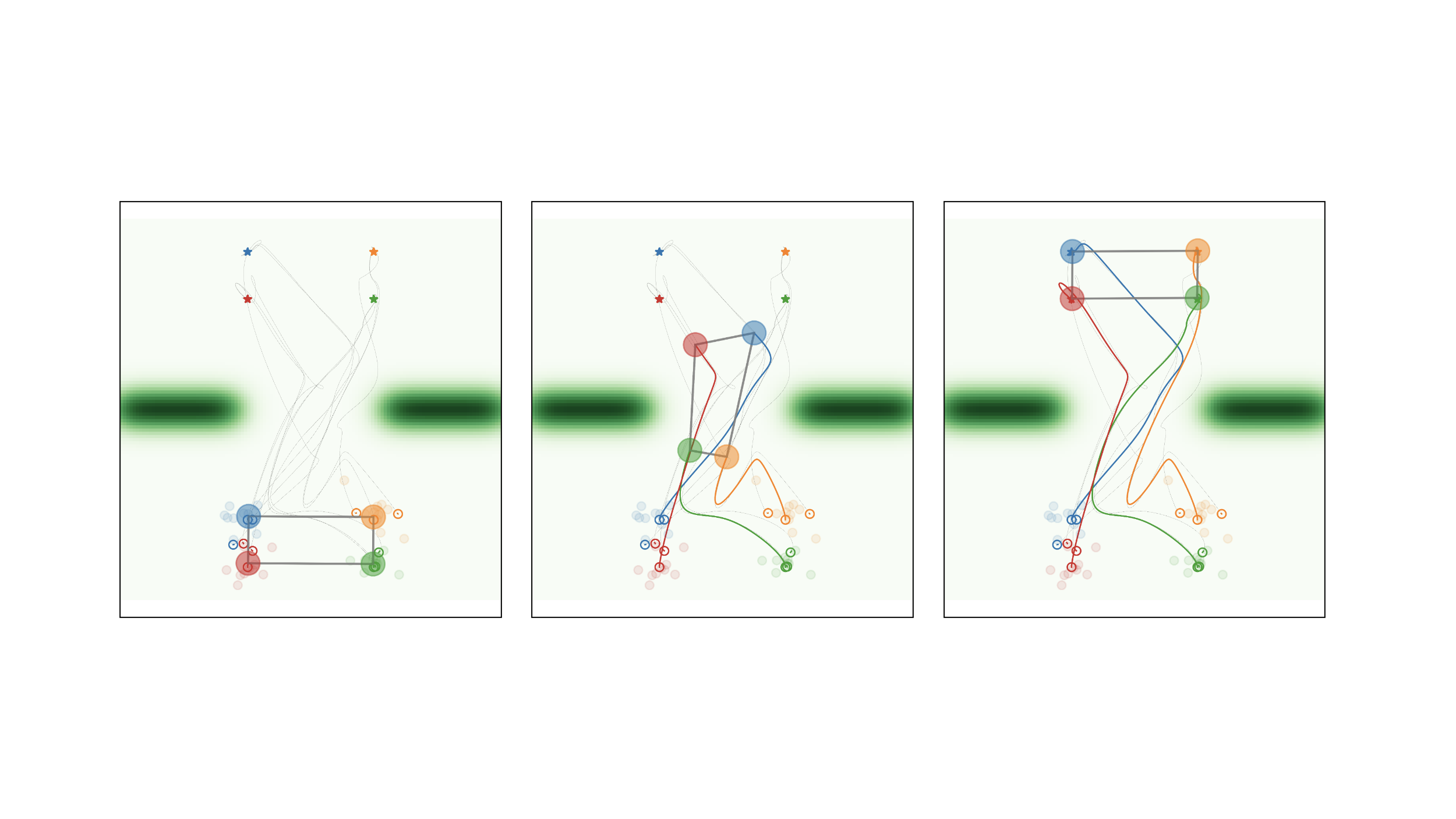
Contract-based distributed MPC for miniature car racing
Related publications
03

Stable neural controllers

Learning can improve control performance, but autonomous systems still need formal guarantees. I study neural controllers with stability guarantees, including Neural System Level Synthesis, stable operators, and internal-model-control-inspired architectures.

The goal is to use learning where it is useful, while keeping the closed-loop properties that make the controller reliable: stability, robustness, and interpretable performance limits.

Neural control Stability guarantees Online adaptation System Level Synthesis Stable operators
Figure placeholder for neural controller architectures
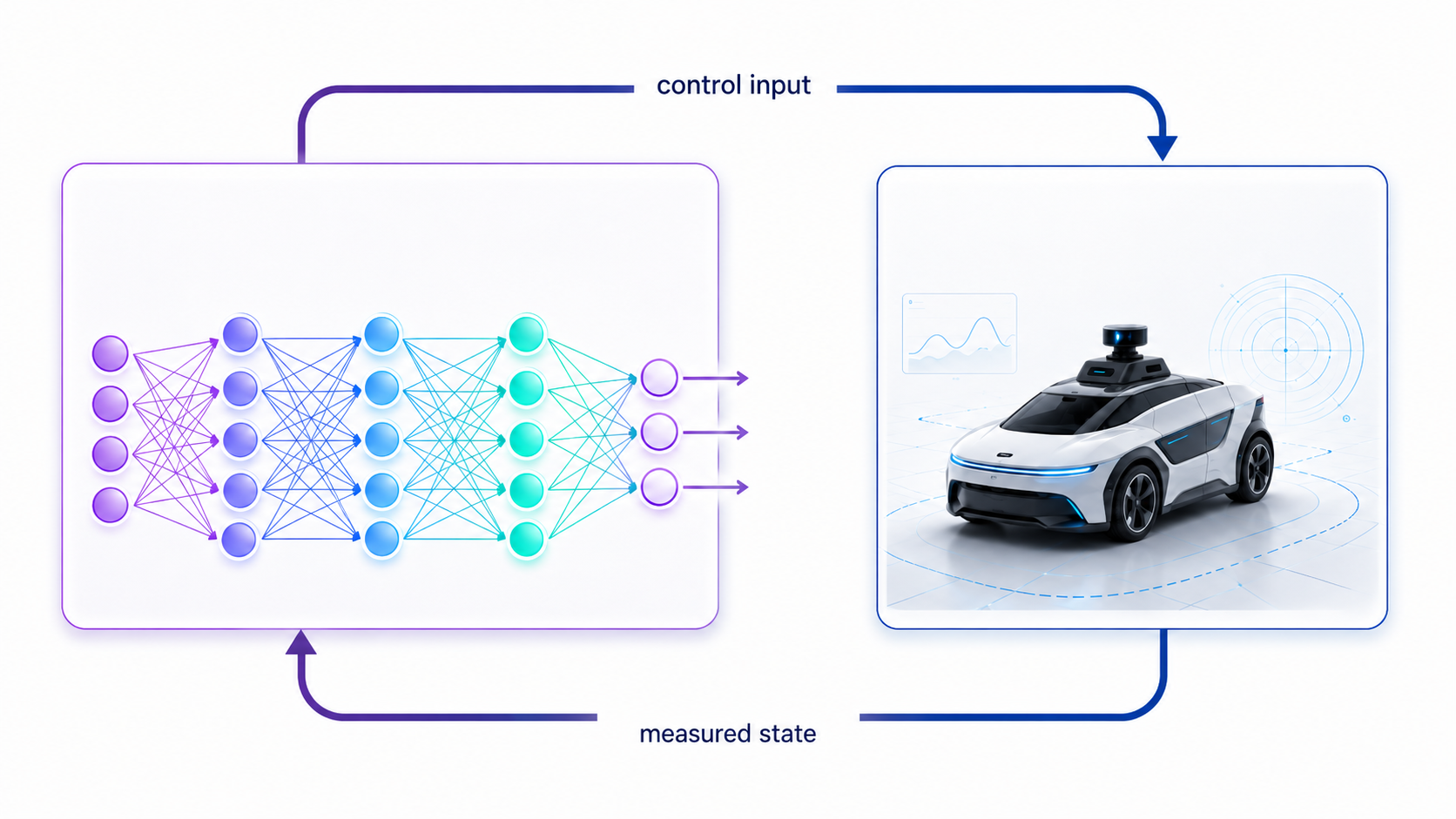
Neural Network in the loop
Figure placeholder for stability certificates
Distributed neural controllers for multi-agent systems with stability guarantees
Figure placeholder for online neural controller adaptation
Stable online adaptation of neural controllers in changing environments
Related publications
04

Certificate reservoirs

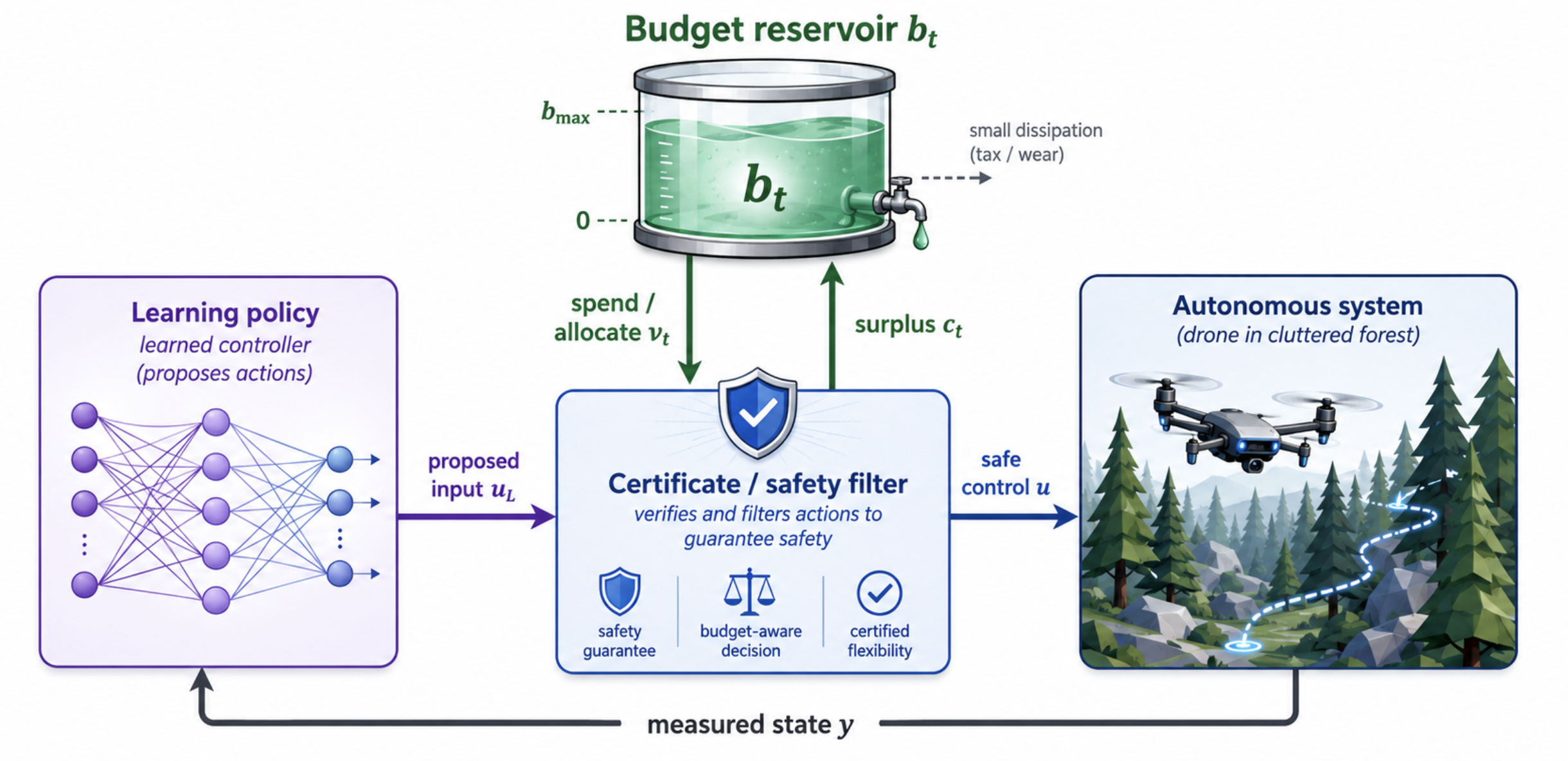
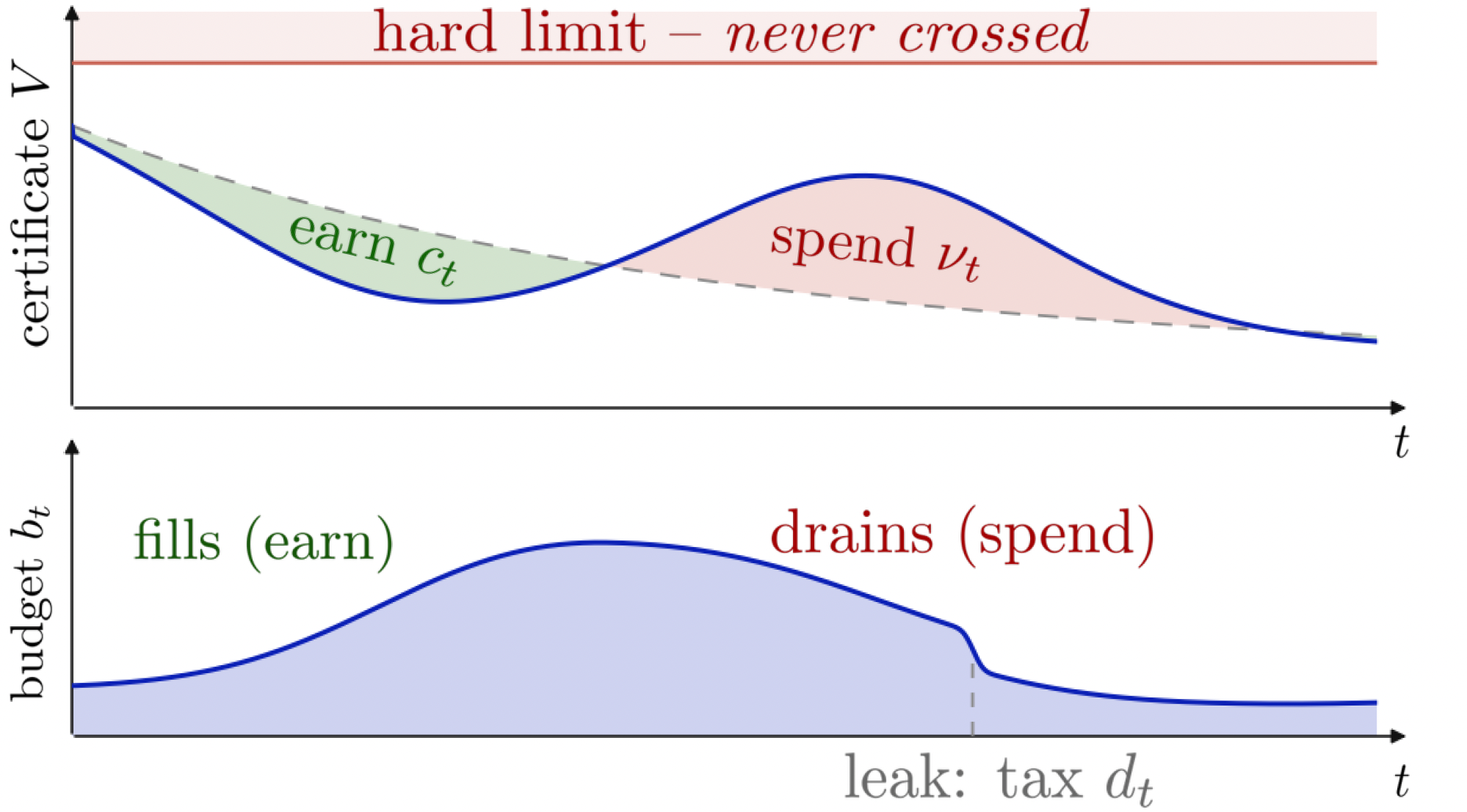
Certificate reservoirs are an ongoing research direction. Static certificates often enforce safety and stability through conservative margins. The idea of a certificate reservoir is to store unused certified margin as a dynamic budget that can later be spent to adapt online while keeping hard constraints intact.

The key principle is that certificates create certified flexibility; learning decides how to allocate it. I am exploring how control certificates can turn conservative safety margins into certified flexibility, and how learning can allocate this flexibility online to improve performance while preserving guarantees.

Safe learning Certified flexibility Online adaptation Hard constraints Longlife control
Figure placeholder for certified margins
A certificate reservoir stores certified flexibility and allocates it online, enabling autonomous systems to adapt while preserving guarantees.
Figure placeholder for dynamic certificate reservoirs
The accounting law of certificate reservoirs.
Figure placeholder for learning allocation of certified flexibility
Certificate reservoir attached to a Predictive Safety Filter enabling narrow passage for a quadrotor
Related publications